
Exclusive: Rwanda Lake Kivu: This lies on Rwanda’s western border and is a highlight of the country’s “Land of a Thousand Hills.” This massive freshwater lake is a tranquil escape with clean beaches, verdant islands, and a temperate tropical climate. The lakeside towns of Gisenyi (Rubavu), Karongi (Kibuye), and Rusizi (Cyangugu) each offer their own charm, from lively resort beaches to peaceful island escapes. There are no crocs or hippos, so visitors can swim and kayak, as well as boat cruise to explore scenic trails and enjoy the local coffee and tea culture.
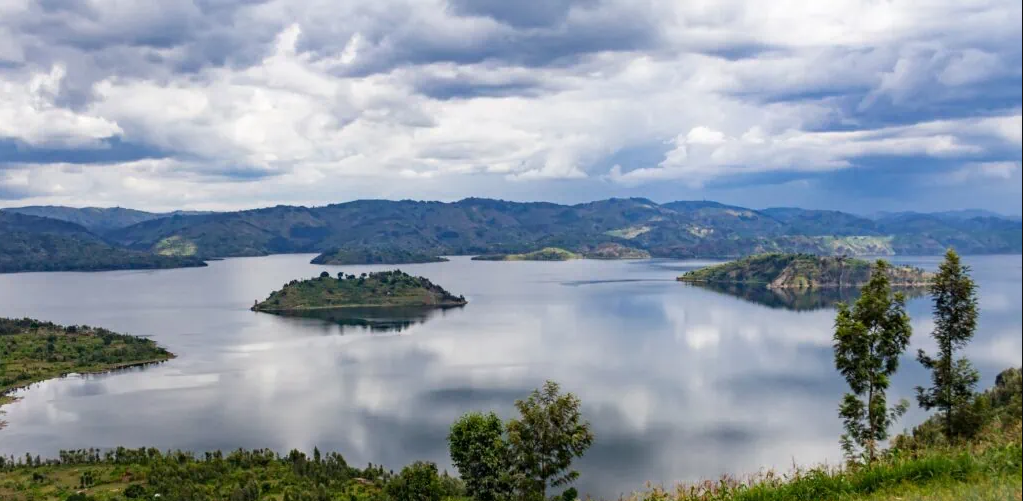
Activities and attractions in Lake Kivu, Rwanda.
Lake Kivu is known for its tranquil tropical ambiance with remarkably clear and safe water. This makes it ideal for swimming, kayaking, stand-up paddle boarding, and sailing, as well as exploring the lake through boat tours. Tourists often visit forested islands, fishing villages, and quiet coves. For example, Napoleon Island hosts millions of straw-colored fruit bats, Monkey Island has troops of vervet monkeys, and Amahoro (Peace) Island is well known for bird watching and camping.
Beaches and water parks, especially at Gisenyi, and waterfront resorts like Lake Kivu Serena in Gisenyi offer equipment rentals and lakeside relaxation. Kayaking tours often visit local fishermen at dusk as they sing, heading home along the shore. Bird watchers will find many species, such as kingfishers, fish eagles, and herons, as they draw to the lakeshore and forest edges.
Coffee and tea tours are increasingly popular around Lake Kivu as nearby highlands grow Rwanda’s celebrated beans. Visitors can tour lakeside coffee washing stations or tea plantations along the Congo-Nile trail as well as cultural experiences like visiting fish villages and sampling local cuisine in lakeside markets.
Hikers and cyclists can tackle the Congo-Nile Trail, an epic lakeside route stretching from Gisenyi to Cyangugu. This trail winds through terraced hills, tea estates, and forest clearings and is described as “one of the most beautiful journeys in Africa.” It links the lake with nearby attractions and makes the transfer itself a highlight. On foot, even short hikes to hilltop viewpoints reveal breathtaking panoramas of the lake’s islands and distant volcanoes across the border.
How to get to the exclusive Lake Kivu in Rwanda
Lake Kivu is easily accessed by road, air, or water; however, by highway, Gisenyi is about 145 km northwest of Kigali, Karongi is 135 km to the west, and Cyangugu is at the south end of the lake and is about 190 km. These roads are generally paved and scenic but can be narrow and steep; however, during the rainy seasons, some rural sections may be slower, so travelers should plan extra time if visiting in March-May or October-November.
By air, the main options are domestic flights. Rwanda Air operates flights between Kigali International Airport (KGL) and Kamembe Airport (near Cyangugu). There are regular international flights into Gisenyi or Kibuye, though charter flights can land at small airstrips. From Kamembe or Kigali, you can hire cars or use shuttle buses to reach any lake town.
At the lake, boat and canoe transfers are a charming way to travel between islands and peninsulas. Many lodges (like Kivu Serena Hotel in Gisenyi or Cormoran Lodge in Kibuye) offer private launches. Day-boat charters can visit Amahoro Island or even cross to Bukavu on the lake from an extra-adventurous day trip. Simple ferries and local fishing boats also ply the waters, and small harbors in each town facilitate island-hopping tours.
The best seasons to visit Lake Kivu
The dry seasons (roughly June-September and December-February) are the best time to visit Lake Kivu. During these months the weather is warm and sunny, ideal for boat rides and lakeside recreation. The wet seasons (March-May and October-November) bring heavy rains and misty mornings, which can hamper road travel and make some hikes muddy. The green season, however, has its charms, where waterfalls are fuller and the hills turn emerald, so some travelers enjoy discounted rates and fewer crowds.
Lake Kivu itself is generally safe and healthy, as noted. The freshwater is free of crocodiles, hippos, or bilharzia, making swimming and snorkeling worry-free. Malaria is present in Rwanda’s wetlands, including lake-shores, so visitors should use mosquito protection. Drink bottled or treated water if you are uncertain of purity, and Rwanda as a whole is one of Africa’s safest countries.

