
Best Months to Visit Uganda: Uganda is a year-round destination, but choosing the best months to visit Uganda can make a major difference to your safari. In general, December to February and June to August are the main dry periods and are especially suitable for wildlife viewing. The Uganda Wildlife Authority also identifies late May through September as a strong period for bird watching because there is less rain and food remains abundant.
The best months to visit Uganda for a classic safari are June, July, August, December, January, and February. Queen Elizabeth National Park, for example, has dry periods from June to August and December to February, when animals often gather around water. Murchison Falls National Park also experiences relatively dry conditions from December to February and June to September.
June to August: Best for Wildlife Safaris
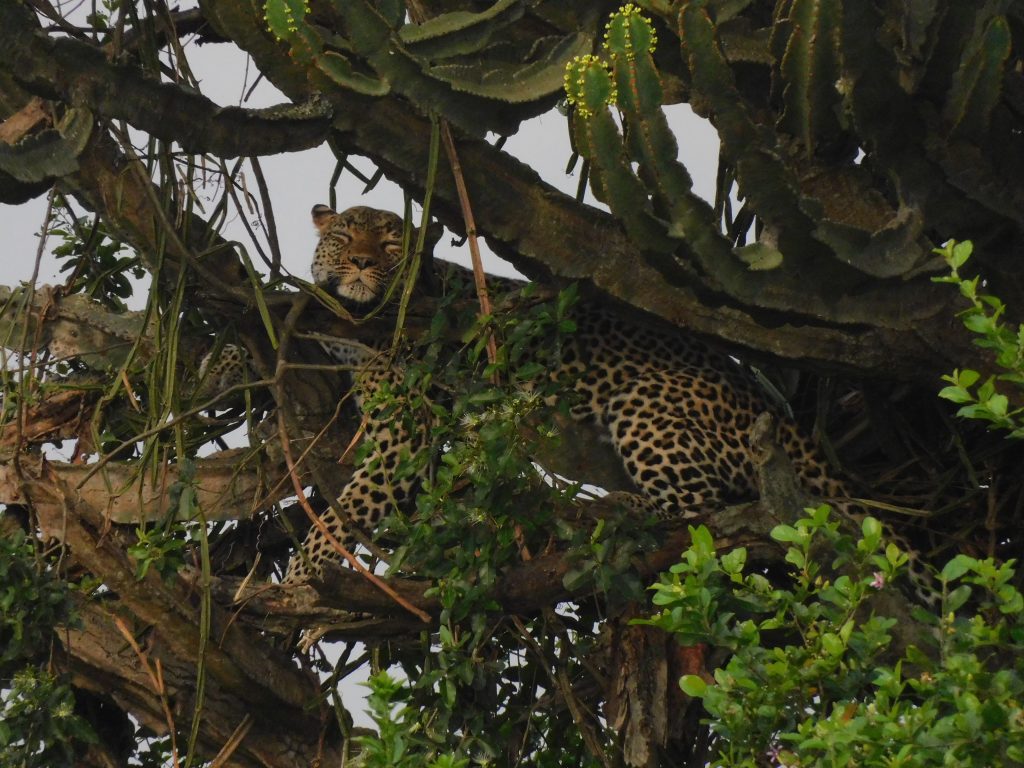
June, July, and August are among the most popular months for a Uganda safari. Rainfall is generally lower across many safari areas, vegetation can become less dense, and animals are easier to spot. In Queen Elizabeth National Park, wildlife concentrates around water as the landscape becomes drier. You can combine morning and afternoon game drives with a boat cruise on the Kazinga Channel.
Murchison Falls National Park is another strong choice during these months. You can combine morning and afternoon game drives with a boat cruise toward the base of Murchison Falls.
Kidepo Valley National Park is particularly rewarding during the dry season. Water becomes scarce, and the Narus Valley attracts large concentrations of wildlife. Lions, buffaloes, elephants, zebras, and antelopes can be easier to find around remaining water sources.
For birders, late May through September is also highly favourable. The Uganda Wildlife Authority notes that less rain and abundant food make this period productive for bird watching. Bwindi Impenetrable and Mgahinga Gorilla National Parks are important locations for Albertine Rift birds, while Murchison Falls and Semliki offer broader birding opportunities.
December to February: Excellent for Safari and Gorilla Trekking
December, January, and February form another important dry-season window. These months are suitable for travellers who want to combine wildlife viewing with primate experiences. Queen Elizabeth, Murchison Falls, Kidepo Valley, and Lake Mburo national parks are strong choices for game drives, while Bwindi and Mgahinga remain major destinations for gorilla trekking.
Gorilla tracking takes place in Bwindi Impenetrable National Park and Mgahinga Gorilla National Park. The activity can last from two to seven hours depending on the gorilla family’s movements and terrain, followed by one hour observing a habituated family.
December and January can also be attractive for birding, particularly because northern Uganda is not yet at its hottest and southern areas receive less rain.
March to May: Green Season and Primate Experiences
March, April, and May bring more rainfall to many parts of Uganda, but this does not mean the country closes for tourism. The landscape becomes intensely green, waterfalls and rivers are lively, and fewer travellers can mean a quieter experience.
This period can be especially interesting for chimpanzee tracking and habituation experiences. The Uganda Wildlife Authority states that chimpanzee tracking and habituation take place throughout the year and notes that the rainy season can be the best time to track chimpanzees, despite muddy trails. Kibale National Park is the leading destination for this experience.
Bwindi and Mgahinga can also be visited during the wetter months. The forests are naturally rainy ecosystems, so visitors should expect slippery trails and carry appropriate rain gear. The reward is a lush forest environment filled with vegetation, birds, insects, and primates.
September to November: A Quieter Safari Window
September to November generally includes another wetter period, although rainfall patterns vary by location. Queen Elizabeth, Kibale, Bwindi, Mgahinga, and Murchison Falls can all remain part of a well-planned Uganda safari.
Birding can be productive because rain supports vegetation and food resources. Forest destinations are particularly rewarding for travellers interested in biodiversity rather than only large mammals. You can also combine chimpanzee tracking, nature walks, cultural visits, and wildlife drives.
Parks to Visit During the Best Months in Uganda
Queen Elizabeth offers game drives, the Kazinga Channel cruise, and opportunities to explore diverse landscapes. Kidepo provides remote savannah scenery and strong dry-season wildlife viewing. Lake Mburo is convenient for combining game drives, walking experiences, and other activities. Murchison Falls, Queen Elizabeth, Kidepo Valley, and Lake Mburo are best visited in the dry season because it’s always best for wildlife viewing, game drives, and boat cruises, respectively.
For primates, choose Bwindi and Mgahinga for mountain gorilla trekking and Kibale for chimpanzee tracking. UWA confirms that Uganda’s gorillas are found in Bwindi and Mgahinga, while Kibale is a major chimpanzee destination.
For birding, consider Bwindi, Mgahinga, Murchison Falls, Kibale, and Semliki. Late May to September is particularly favourable, while December and January can also provide good conditions.
Activities to Enjoy During the Best Months
Your Uganda safari can include game drives, gorilla trekking, chimpanzee tracking, chimpanzee habituation, boat cruises, bird watching, nature walks, mountain hiking, golden monkey tracking, and cultural encounters.
In conclusion, therefore, the best months to visit Uganda are generally June to August and December to February for dry-season wildlife viewing, while late May to September is particularly attractive for birding. March to May and September to November bring more rain but offer lush scenery, fewer visitors, and rewarding primate experiences.
Whether you are following lions across a savannah, watching elephants beside a waterhole, trekking through Bwindi’s Forest, or listening for chimpanzees in Kibale, Uganda offers an unforgettable journey. Plan around your priorities, book key permits early, and choose an experienced operator such as Sarania Adventure Safaris to help you build a powerful Uganda safari experience.

