Skip to content

Living in the dense tropical forests of Africa

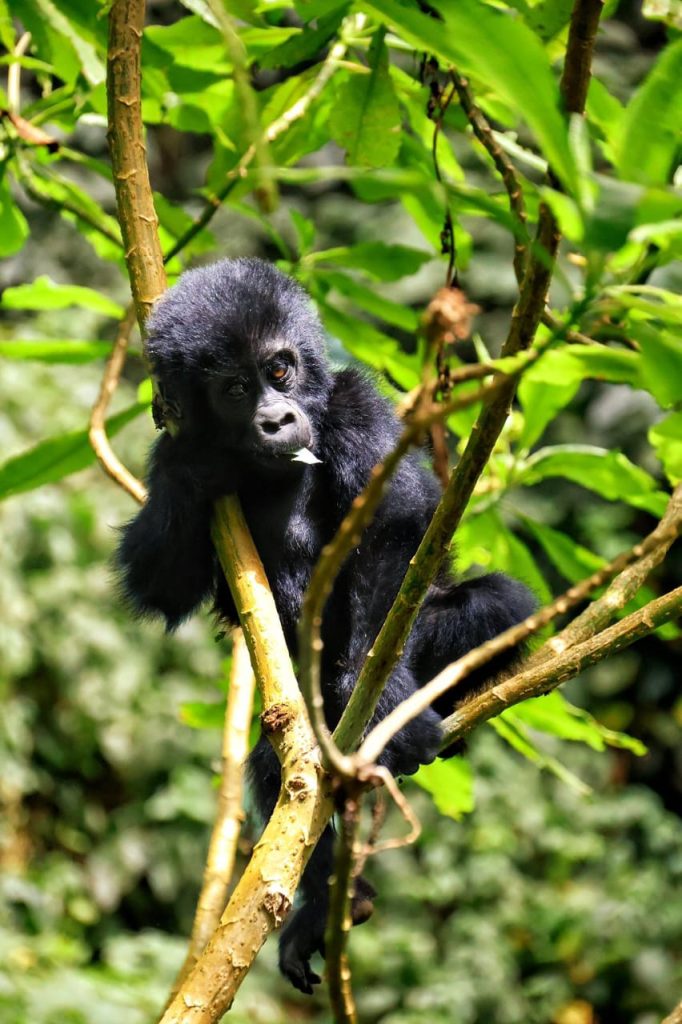
Living in the dense tropical forests of Africa: In the dense forests of Africa that were undisturbed during the tectonic movement of the earth is where we find the rare and less endangered species of the ape (mountain gorillas). Gorillas are among the five great apes in the world that inhabit the Virunga Conservation Areas of countries like Rwanda, the Democratic Republic of Congo, and Uganda.
Executive Summary: A first-time Uganda safari with Sarania Adventure Safaris delivers an incredible blend of wildlife and culture. Over ~10 days, our client explored Murchison Falls, Kibale, Queen Elizabeth, Bwindi, and Mgahinga National Parks via game drives, chimp and gorilla treks, and boat cruises. The traveler was thrilled by unexpected encounters – from tree-climbing lions in Ishasha to a gentle gorilla family in mist – and repeatedly praised our guide’s expertise. This tour combined top African safari experiences with one outstanding, very personable guide, creating an unforgettable adventure. In Murchison Falls NP (NW Uganda), our guide led an early-morning game drive through rolling savanna and woodland. The client was thrilled to photograph lions, giraffes, African elephants and Cape buffalo up close. The trip’s highlight was viewing the Murchison Falls themselves – where the Nile forces itself through an 8m-wide gorge and drops 45m. Later, a private launch cruise on the Nile’s turquoise waters took us beneath the falls. Hippos surfaced around our boat and Nile crocodiles lounged on the banks. Herds of elephants and buffaloes lined the shore, drinking at sunset. These vivid scenes left our client ecstatic – experiencing such raw nature was described as absolutely magical. Traveling to Kibale Forest NP (West Uganda), dubbed “Primate Capital of the World”, we hiked deep into verdant rainforest for a chimpanzee trek. The forest canopy echoed with monkey calls and bird song as we navigated muddy trails. Finding the habituated chimp group was the most emotional moment – the client sat watching chimps chase each other and groom a silverback, just meters away. Kibale shelters roughly 1,500 wild chimpanzees plus 12 other primate species, so sightings were prolific. After chimp trekking, we strolled the nearby Bigodi Wetland, spotting black-and-white colobus, red colobus, and colorful turacos in papyrus swamps. In Bigodi Village we experienced local life – women weaving crafts and a “coffee queen” demonstrating brew, even tasting sweet banana beer – which the client found delightful and enriching. Continuing west, Queen Elizabeth NP provided a classic savannah adventure. On a morning drive we entered the Ishasha sector’s fig-tree gallery. In still afternoon heat we were amazed to glimpse a pride of lions resting in branches – the rare tree-climbing lions of Ishasha. The guide had anticipated this sighting, and the client eagerly snapped photos of lions sprawled above. Back in Kasenyi Plains, we watched kob and topi antelope graze on the golden grasslands. Later that day we boarded a boat on the Kazinga Channel – a 32 km waterway connecting Lakes George and Edward. The sunset cruise was stunning: vast pods of hippos grunted around us; elephants and cape buffaloes visited the water’s edge; Nile crocodiles lay sunbathing nearby. A flotilla of birds – African fish eagles, pelicans, kingfishers, and others – flew in vibrant flocks. The scene was breathtaking and serene, and the client called it the ultimate safari experience on the trip. Next, we ventured to the misty mountains of Bwindi Impenetrable NP (SW Uganda), home to about half the world’s mountain gorillas. Day 7’s hike was challenging through tangled jungle; our guide paused to explain plants and forest ecology, adding educational depth. On Day 8 at dawn, our small trekking group quietly entered the bamboo zone and – after a tense hour – we stumbled upon a habituated gorilla family. For a full hour, the silverback patriarch allowed us to watch him munch leaves and groom infants. The client was overwhelmed with awe. The silence, save for bird calls and rustling, was palpable. Observing a silverback just meters away was unforgettable. By park regulation we spent exactly 60 minutes with the gorillas; the permit is 0, but to us it was priceless. (Through tearful smiles the client whispered that this childhood dream had come true.) Finally, we visited Mgahinga Gorilla NP (extreme SW corner). This tiny park (34 km²) is famed for one habituated gorilla family and vibrant golden monkeys. We hiked Volcano Sabinyo: at its bamboo thicket we spotted the golden monkeys – agile, bright-orange primates endemic to the Virungas. The guide whispered, “There they are!”, and we quietly followed them through the mist. The client was thrilled to photograph these rare monkeys in flight. On Day 10 we did a partial volcano rim hike (Mount Gahinga) for panoramic views over Uganda, Rwanda and DR Congo. Each volcano trek reinforced that Uganda’s appeal isn’t just wildlife, but spectacular landscapes too. Throughout the trip, one guide (James) stood out. His encyclopedic knowledge, warmth, and quick responsiveness earned repeated praise. He remembered the client’s name, provided historical context at each site, and even helped carry equipment when trails were steep. Unexpected bonuses (“extras”) like a roadside lunch at the Equator line or spotting a lone shoebill on a morning boat were credited entirely to his attentiveness. By journey’s end, the client raved that the guide had made the safari life-changing, and declared the experience the adventure of a lifetime.

However, in countries like the Democratic Republic of Congo and Rwanda, they inhabit the low areas/lakes/primary forests of the eight volcanic mountains of Mount Muhabura, Mount Mgahinga, Mount Sabyinyo, Mount Bisoke, Mount Nyamuragira, Mount Nyiragongo, Mount Karisimbi, and Mount Mikeno. This provides less food for the giant apes that will not climb high tops of the mountains that are freezing due to the high level of altitude, whereas animal reproduction in the wilderness is based on the amount of food in an area.

Bwindi Impenetrable National Park in Uganda has the biggest number of gorillas in the world. This is because the dense forests of 331 square kilometers cover the rolling hills of the Kigezi region bordering Queen Elizabeth National Park on the northern side, the Democratic Republic of Congo, and some other districts of Uganda.

The park harbors over 450 numbers of gorillas, and this makes Uganda have the biggest number of gorillas in the world. A few of these living in different families are habituated and ready to be tracked while in their wilderness. In a family it includes the mothers, babies/juveniles, black back, and silver back. This makes a complete gorilla family that will be led by a silverback, ready to protect the family or its members. By visiting these giant apes of Africa, you will have a chance to experience the dense tropical forests of Africa that are hard to penetrate, allowing the rangers, with the help of the porters, to create your way through while cutting the vines, grass, and other plants to make sure that you can view or see these animals.

The forests are inhabited by other animal species like the African forest elephants, duikers, species of monkeys like the olive baboons, black and white colobus monkeys, red-tailed monkeys, red colobus monkeys, galagos, bushbabies, l’hoest monkeys, gray-cheeked mangabeys, and many more others. It also harbors a number of reptiles, birds, moths, and butterflies

author avatar
S A Safaris

Leave a Reply