
Chimpanzee Habituation in Nyungwe National Park: This is a full-day experience in the park’s northern sector. This is where a small group of visitors accompanies trackers and researchers to follow a chimpanzee community that is yet to get used to people. It is longer, slower, and less predictable than the standard chimpanzee trek. It suits travelers who care more about the behavior and conservation of chimpanzees than a guaranteed sighting. Therefore, this guide explains what habituation means, how it differs from tracking, and what to consider before booking.
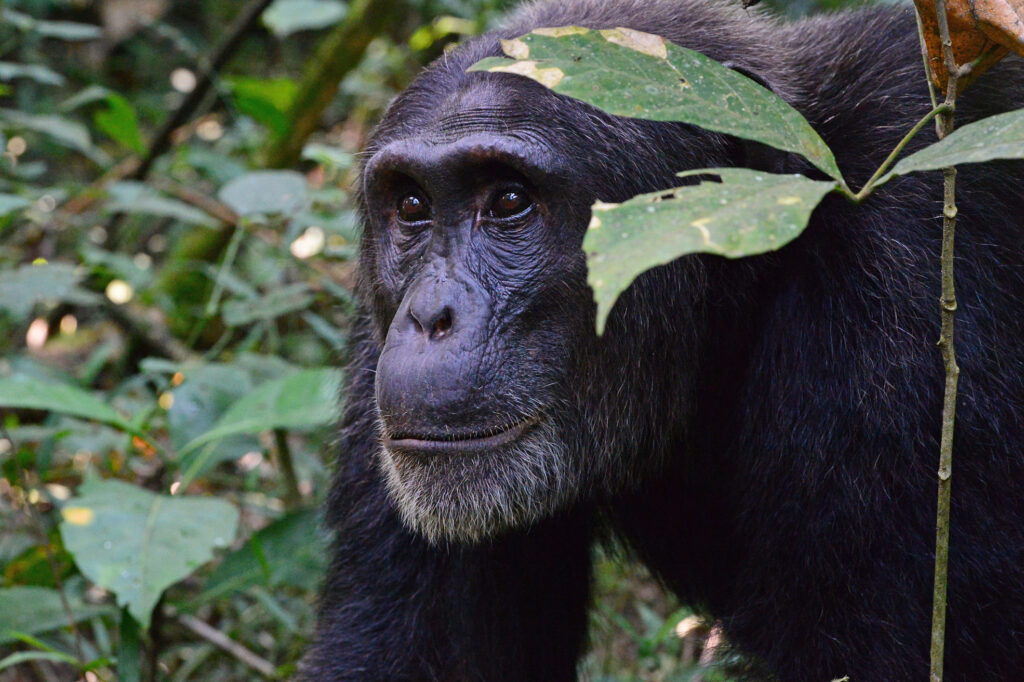
Understanding Chimpanzee Habituation
Chimpanzee habituation is the gradual process through which wild chimpanzees become accustomed to the presence of human observers. This allows researchers to monitor their natural behavior with less disturbance. Trackers follow a community day after day, often from the morning nest to the evening nest while keeping a steady distance. You act predictably until the chimpanzees stop treating humans as a threat.
Nyungwe’s visitor communities are described by the park as semi-habituated: Cyamudongo, Mayebe, and Gisovu. Gisovu is the newest and the least accustomed to people, which is why it can behave more skittishly; therefore, sightings there are less predictable.
Where the Chimpanzee Habituation Takes Place
The habituation experience takes place in Gisovu. It lies in northern Nyungwe, closer to Kibuye on Lake Kivu than to Uwinka, the better-known reception center on the road through the park. The same area also offers standard chimpanzee tracking, so you may meet visitors doing the shorter trek in a group of four people. That limit keeps the group quiet and reduces the stress and disease risk for animals that are still adjusting.
What to Expect During Chimpanzee Habituation in Nyungwe National Park
An early start in the rainforest: Chimpanzee habituation in Nyungwe National Park begins early because trackers need to locate the community and follow its activities throughout the day. Exact reporting times are confirmed when the activity is booked. After meeting the team and getting your briefing, you’ll set off into the forest. Trackers use their knowledge of the chimpanzees’ habits, recent sightings, and the conditions underfoot to find the group. Expect to start on marked paths and then move onto uneven ground through thick undergrowth. Some days the chimpanzees are found quickly and some days they aren’t, so prepare for a long, demanding day.
Following chimpanzees with trackers: Once the chimpanzees are located, the team follows their movements while observing their behavior. Depending on the animals’ activities, visitors may see them feeding, traveling through the forest, interacting with other members of the community, or moving between trees.
Chimpanzees spend time both on the ground and in the canopy. Chimpanzees can cover ground in a hurry, which makes them tricky to follow on steep slopes and through dense forest. The trackers help visitors understand what they are seeing and explain how the team follows the animals without unnecessarily disturbing them.
Learning about behavior and research: One of the most distinctive aspects of chimpanzee habituation in Nyungwe National Park is its emphasis on observation throughout the day. Activities can include observing feeding behavior, recognizing individual chimpanzees via unique features, and investigating nesting behavior. The official Nyungwe pricing information describes the experience as a full day spent with trackers and chimpanzees, with observation and data recording forming part of the activity. The exact observations depend on the group’s movements and what happens during the visit. No particular behavior or close sighting is guaranteed.
Chimpanzee Habituation Rules, Age, and Health
Park guidance sets the minimum age of 15 for chimpanzee tracking and the habituation experience, so confirm with the park before booking for a teenager. Chimpanzees are susceptible to human respiratory illnesses, so visitors who are unwell may be refused, and masks may be required. Rangers set minimum viewing distances and expect quiet behavior, no flash photography, and no eating near the animals.
How to Prepare for Chimpanzee Habituation in Nyungwe National Park
Preparation is important, as it is a long walk in difficult terrain.
- Wear appropriate hiking boots: Select shoes that provide good traction on wet and rocky forest trails
- Leave rain gear in your backpack: Conditions can constantly change in the rainforest, and a rain jacket along with a rain cover for your bag will come in handy.
- Take water and food: Check on catering arrangements in advance, especially as the event takes up a lot of your day.
- Travel light: A small rucksack, with a few personal essentials and some camera kit, will be much better than heavy luggage.
- Get fit: Walking and hiking regularly in advance will help you cope with the steep inclines and the length of exertion.
- Follow the tracker’s instructions and keep the distance: They recommend wildlife. Avoid actions that could disturb the chimpanzees.
- Check the operator’s latest health and age guidelines, including any rules for children or visitors who are feeling unwell.
Chimpanzees are susceptible to some human diseases. Anyone experiencing symptoms of a respiratory or other contagious illness should inform the operator and follow the park’s health guidance rather than risking transmission to the animals.
Best Time to Plan Your Visit
Nyungwe can be visited throughout the year, but rainforest weather is variable. Wet weather makes the steep trails muddy and slippery, and mist and thick vegetation can limit what you see. The best dates depend on your schedule, your fitness, where you want to stay, and whether a habituation place is available. Because this is a specialized experience, confirm the booking before finalizing non-refundable travel arrangements.
Allow enough time in your itinerary to reach the correct part of the park. Nyungwe is approximately 225 kilometers from Kigali by road, with the journey commonly taking around five to six hours, depending on road and traffic conditions.
Why Habituation Matters
Nyungwe is one of Rwanda’s most important protected forests and is home to 13 primate species. Habituation supports monitoring, research, and the long-term case for conserving chimpanzee habitat. Visitor fees contribute to that work, though the process also carries risks of stress and disease transmission, which is why group sizes and rules are strict.
Chimpanzee habituation in Nyungwe Forest National Park is a different kind of wildlife experience from a standard trek. You trade a short, structured encounter for a long day beside researchers, with fewer visitors and less certainty. If you enjoy watching behavior unfold and can manage steep ground and an early start, it can be one of the most rewarding days in Rwanda. Contact us today to check availability and start planning your Nyungwe chimpanzee habituation experience.

