
Tracking cheetahs in East Africa: East Africa is one of the most remarkable wildlife destinations in the world, offering visitors an opportunity to encounter some of Africa’s most fascinating animals in their natural habitats. Among these extraordinary creatures is the cheetah, the fastest land animal on earth. The region’s extensive savannah grasslands, open plains, and protected conservation areas provide important habitats for these magnificent predators.
Cheetahs have a slender, spotted build, are built for speed, and mostly hunt on open-level ground. Cheetahs are diurnal hunters; they scan savannahs by day and stalk prey by sight, unlike lions and leopards. It crouches to stalk and then sprints its prey over a few hundred meters; however, they often eat quickly before larger predators steal their kill because their hunts are risky. Males may form small coalitions while females hunt and raise cubs alone.
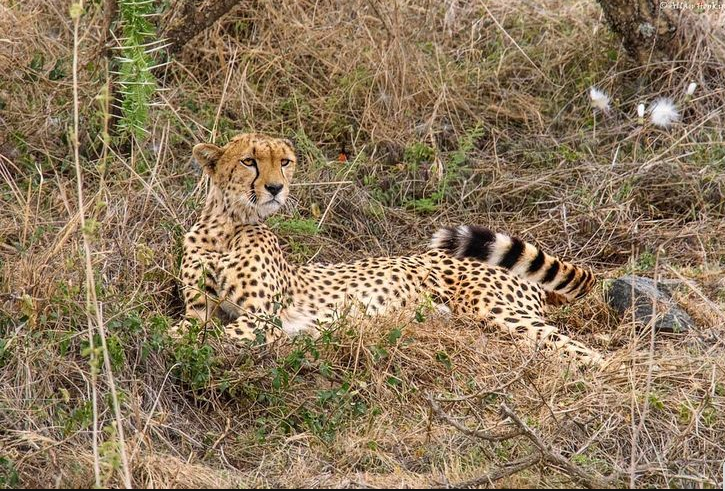
The Best National Parks for Tracking cheetahs in East Africa
Serengeti National Park, Tanzania: The park is located in northern Tanzania; this world-famous conservation area is recognized for its expansive grasslands, abundant wildlife, and spectacular great wildebeest migration. The southern and eastern Serengeti plains are particularly interesting for cheetah viewing because their relatively open landscapes provide suitable hunting grounds. Visitors may encounter cheetahs during the morning and afternoon game drives; however, they may also see lions, leopards, elephants, giraffes, and zebras.
Maasai Mara National Park, Kenya: The park is located in southwestern Kenya and has vast savannah plains that support a wide range of wildlife. Cheetahs usually live in open grasslands with lots of the animals’ preferred food. Visitors can see cheetahs relaxing on termite mounds, observing herds of gazelles or getting ready to run after prey during game drives. Maasai Mara is especially good for wildlife photography, the open spaces providing excellent visibility and opportunities to photograph these graceful predators in action.
Ngorongoro Conservation Area, Tanzania: Sightings may be less predictable than in some Serengeti areas; therefore, visitors may encounter cheetahs while exploring the surrounding plains. The conservation area also provides opportunities to see lions, hyenas, elephants, buffaloes, and numerous bird species.
Amboseli National Park, Kenya: The park is widely recognized for its large elephant herds and spectacular views of Mount Kilimanjaro. However, the park also supports cheetahs and other carnivores, which may be spotted moving across open areas while searching for prey. Visitors can combine cheetah searching with elephant viewing, birdwatching, and landscape photography.
Tsavo National Park, Kenya: Both Tsavo East and Tsavo West National Parks form one of Kenya’s largest protected wildlife landscapes. These parks contain diverse habitats, including open savannah, scrubland, woodland, and rocky terrain. Cheetahs inhabit the wider Tsavo ecosystem, but sightings may require patience and experienced wildlife guides.
Kidepo Valley National Park, Uganda: Located in northern Uganda, the park is excellent for travelers in search of less-visited wildlife landscapes. Its expansive Narus Valley and surrounding savannah habitats support several carnivores and herbivores.
Best seasons for tracking cheetahs
Dry season months provide the best cheetah viewing. In Kenya, July-October and December-February (short rains) are ideal. The vegetation is low, and the prey gathers around waterholes, making cheetahs easier to spot.
In Tanzania, the southern Serengeti is busiest during the December-March calving season (huge prey herds) when cheetahs concentrate in the open plains. Central Serengeti and Ngorongoro are excellent June-October. Tarangire’s open grasslands also shine in the dry months.
In Uganda, the dry seasons (June-September and December-February) are best for predator visibility. Wet seasons can still yield sightings, but grasses are tall, and some parks become hard to access.

