
Rhinos in Ajai Wildlife Reserve: The reserve is located in Madi-Okollo District in the West Nile region. Ajai Wildlife Reserve is a protected area with a remarkable history, diverse habitats, and growing potential for wildlife tourism. The reserve used to be home to white rhinos, but poaching and insecurity caused the animals to go extinct. In January 2026, the Uganda Wildlife Authority (UWA) transferred four white rhinos from Ziwa Rhino Sanctuary to Ajai Wildlife Reserve.
Ajai offers an opportunity to learn about wildlife recovery, habitat protection, and the relationship between local communities and nature. Beyond rhinos, the reserve’s grasslands, woodland, riverine vegetation, and wetlands provide habitats for different wildlife species and support activities such as game drives.
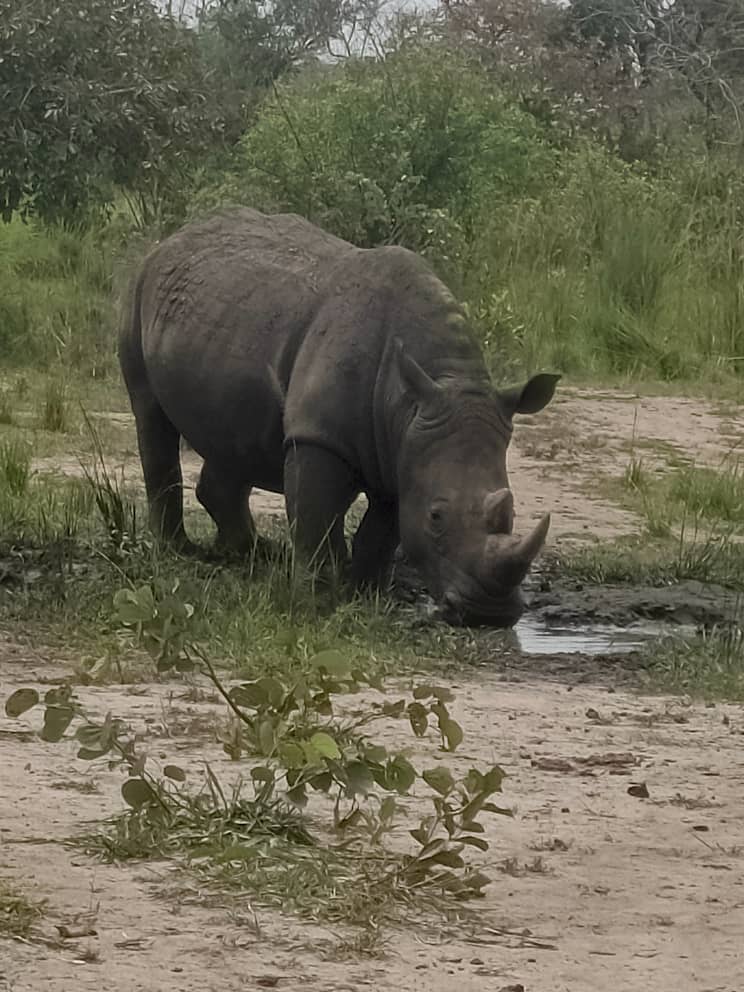
How Rhinos in Ajai Wildlife Reserve Are Preserved
Veterinary Care and Monitoring: Before the arrival of rhinos in Ajai, UWA invested months preparing its habitat by installing fences, digging water troughs, and improving roads. This was a delicate task, and therefore wildlife veterinarians and rangers had to transport each animal safely. Currently the rhinos in the reserve wear tracking devices and are monitored daily to record their feeding, movements, and behaviors, which ensures their well-being.
Habitat Management: The reserve consists of riverine swamp that forms a large seasonal island, surrounded by wooded savanna. In most cases, during the rainy season, the area floods, and in the dry season, much of the swamp drains, which creates open grasslands. UWA’s ecologists ensure these grasses remain lush and nutritious and clear invasive trees from grasslands. Artificial waterholes are installed so rhinos have drinking spots year-round.
Anti-poaching security: Rangers patrol by vehicle and foot, equipped with GPS and radios as well as local community cooperation. UWA has enforced ranger patrols in Ajai and increased guard posts near key habitats in order to ensure reduced poaching in the area. Rhino horns are highly prized by poachers.
Community Engagement: The Madi communities have welcomed the rhinos as a symbol of Uganda’s heritage. Part of the park revenue is directed to local development projects, whereas education programs in schools also emphasize wildlife conservation. UWA notes that rhinos’ survival hinges on collective responsibility and local pride.
Other activities carried out in Ajai Wildlife Reserve
Game drives: Ajai Wildlife Reserve is home to many other species beyond rhinos. The guests may be able to see Uganda’s kob, Jackson’s hartebeest, bushbuck, black and white colobus monkeys, and troops of baboons and hippopotamuses along the Nile. The park can easily be accessed via a 4×4 Toyota guided safari. Experienced guides take the guests along roads and tracks, thus helping guests to interpret the animal behaviors.
Bird watching: The park’s wetlands and riverine forests attract numerous bird species, making it an important bird area. Colorful birds like bee-eaters, kingfishers, and ibis are common; water areas may yield herons, storks, and even the rare shoebill when conditions are right. Spring and early summer bring migratory storks and egrets.
Cultural visits: Travelers may arrange to visit the nearby Madi villages to see traditional dances, music, and crafts demonstrations. Guides can also bring you to a village market or show how cassava is pounded, which offers cultural enrichments and ensures respect and benefit-sharing.
Nature walks: Ajai allows exploration on foot with an armed ranger, which showcases the place’s vegetation and reveals animal tracks. Day walks in the late morning or evening are cooler, whereas midday is best done in the vehicle since hippos can be very aggressive on land. Nature walks highlight the tiny wonders of Ajai that big game drives can miss.
Photographing: For visitors who love photographing, Ajai Landscape is the best option, as its landscapes are always striking at sunrise and sunset. Wildlife photography is also rewarding; hippos and water birds can be photographed from hides near water, and the wide-open savanna allows the animal herds to roam freely.

